
Find a book

A Book a Month
We can send a book a month for six or twelve months - the perfect gift. More »

Café Music
Listen to our album of Café Music while browsing the site. More »

A parallel in pictures to the world of Persephone Books.
To subscribe, enter your email address below and click 'Subscribe'.
19 January 2018
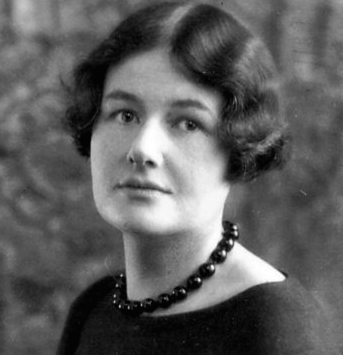
Rebecca Clarke (1886-1979) studied music in London, ‘became one of the first female professional orchestral musicians when she was selected by Sir Henry Wood to play in the Queen’s Hall Orchestra in 1912’ and then went to live in New York. Wikipedia says: ‘Although Clarke wrote little, due in part to her ideas about the role of a female composer, her work was recognised for its compositional skill.’ These ‘ideas’ seem to have been engendered by the depression that originated with her father’s abuse: she was a complex and interesting person and there is a Rebecca Clarke Society, also she was the subject of Composer of the Week in June this year. And here is her Sonata for Viola and Piano on YouTube.
18 January 2018
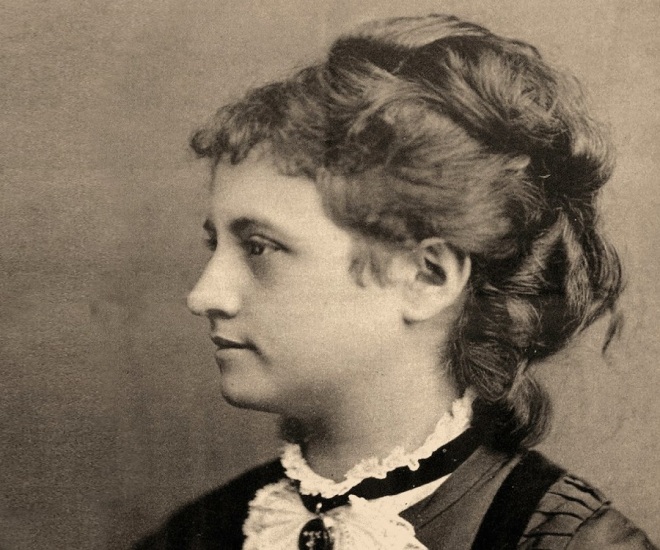 Teresa Carreno (1853-1917) was a Venezuelan pianist, singer, composer and conductor. Here is a website about her. ‘In rapid succession she conquered the concert halls of Havana, London and Paris. A considerable number of her compositions date from the 1860s and were published, even before her twentieth birthday. It does not come as a surprise that these early compositions all require a highly skilled performer, given Teresa Carreño’s own considerable technical skills. The emotional depth of her compositions, however, manages to surprise time and again: It almost appears as if the life experiences of the following, turbulent years already resonate in these piano compositions; as if her music already foreshadows the tragic loss of her father, the premature death of her children and her failed marriage’ (Naxos). Selected music for piano may be heard on the Naxos site and here is her Ballade Op. 15 played by Alexandra Oehler.
17 January 2018
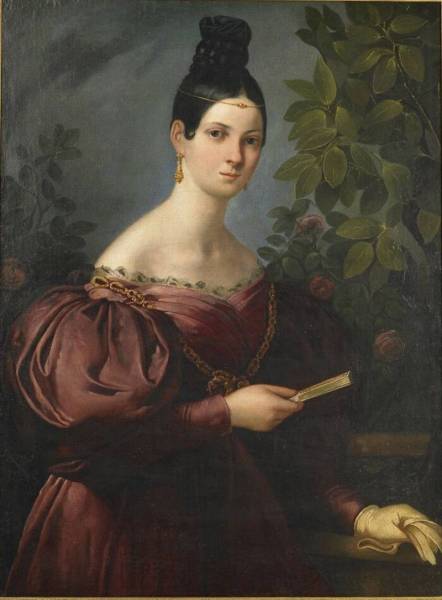
Maria Malibran (1808-36) was the stuff of legend, there are films about her, even one about her death, in fact in her day she ‘was one of the most celebrated divas of the time – a singing sensation.’ She was also a composer – here is ‘Rataplan’ sung by Cecilia Bartoli – and more about her short and rather tragic life.
16 January 2018
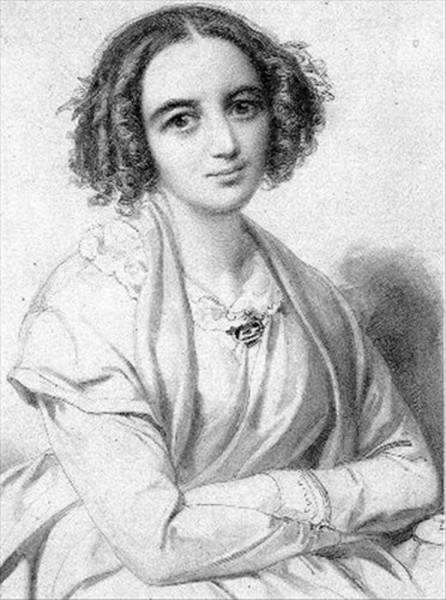
Fanny Mendelssohn (1805-47) was the famous Mendelssohn’s sister. She was married, had one child and composed over 450 pieces of music. Alas, she died young. Recently a lost piece of music by her was re-discovered, her Easter Sonata. Here is an article by her great-great-great-granddaughter, here is the sonata being played and here is more about it. Clemency Burton-Hill writes (in Year of Wonder for 2 February): ‘What’s so infuriating is that Fanny was in a supposedly supportive environment. Her brother was well aware of his sister’s genius. Yet even he prevented her from publishing her work.’
15 January 2018
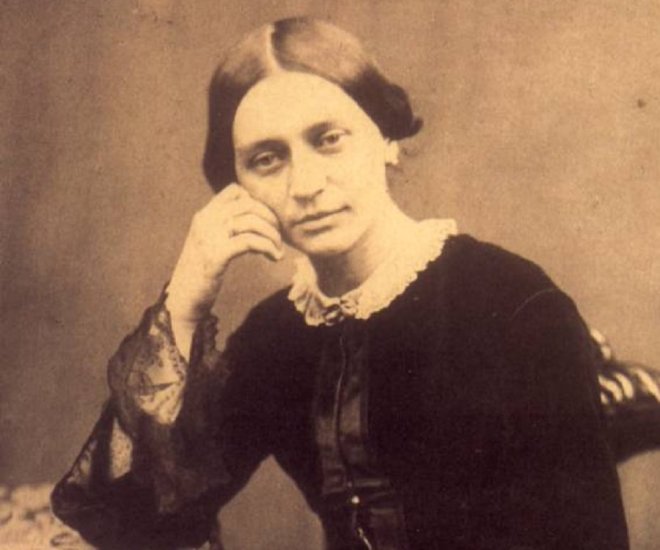
Visitors to the shop will know that we always have classical music in the background. This is to provide a kind of ‘barrier’ between the office part of the shop and people browsing: if there is no music the visitor is rather conscious of us and vice versa. It used to be Radio 3 (when the music wasn’t too modern) or Classic FM (though we were always turning it off and on because of the ads), but for the last couple of years we have subscribed to Spotify. And this year we are going through Clemency Burton-Hill’s book – a piece of classical music for every day – and playing ‘her’ composer. And this brings us to women composers. There were/are so many of them! However, it’s the same old story: we hear about them less than we hear about the men. Of course there wasn’t a woman Schubert or Beethoven or Brahms. But over the centuries there have been some very fine composers, so many indeed that it proved impossible to choose just five for one week of the Post, so in fact they are going to be spread over a glorious two weeks. First up: Clara Schumann (1819-96). Here are the (rather well written-up) details of her life, which one is tempted to call sad, but she had eight children, composed music when she was young, became a well-known and revered piano teacher, had many close friends including, for example, Brahms, lived until she was 77 and during her lifetime was far more famous than her husband: wonderful as Robert Schumann’s work is, it’s a great pity that now this has reversed. Here is Clara Schumann’s absolutely beautiful Nocturne in F Major (played by someone unknown); there are lots of her other pieces on You Tube, all stunning.
12 January 2018
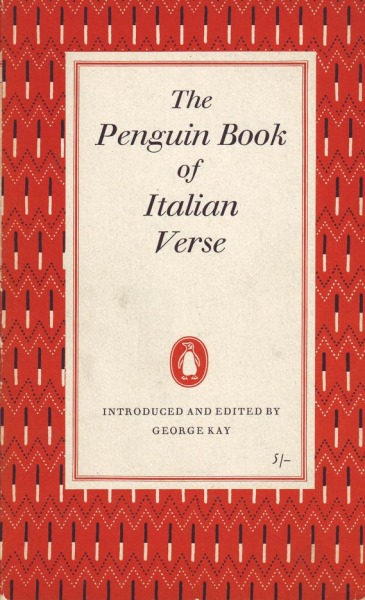
It seems that many of the most beautiful Penguin covers were in fact by Elizabeth Friedlander, and of course until recently she had no credit and not enough attention. But now the Ditching exhibition goes some way to putting this right. And it includes a film by the co-curator Katharine Meynell, whose grandfather Francis Meynell sponsored Elizabeth when she arrived in England in the late 1930s. (Francis Meynell was himself a fascinating and influential figure, publisher at the Nonesuch Press and it was in part because of him that a whole generation of children was taught italic handwriting.) One of the Friedlander music scores is on display in the shop window. And we are planning a trip to Ditching.
11 January 2018
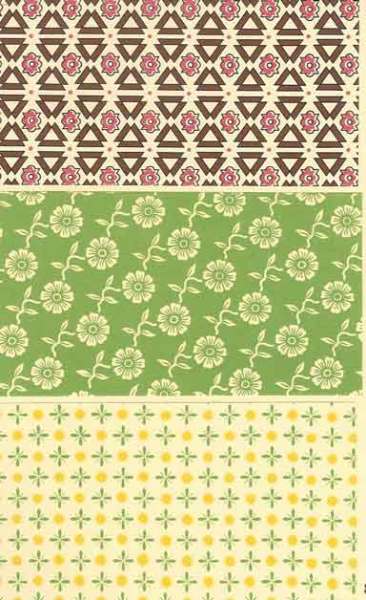
Elizabeth worked mainly for Penguin but also for the Curwen Press. These are patterned papers designed by her, she named them Zig-Zag, Allegro and Treasure.